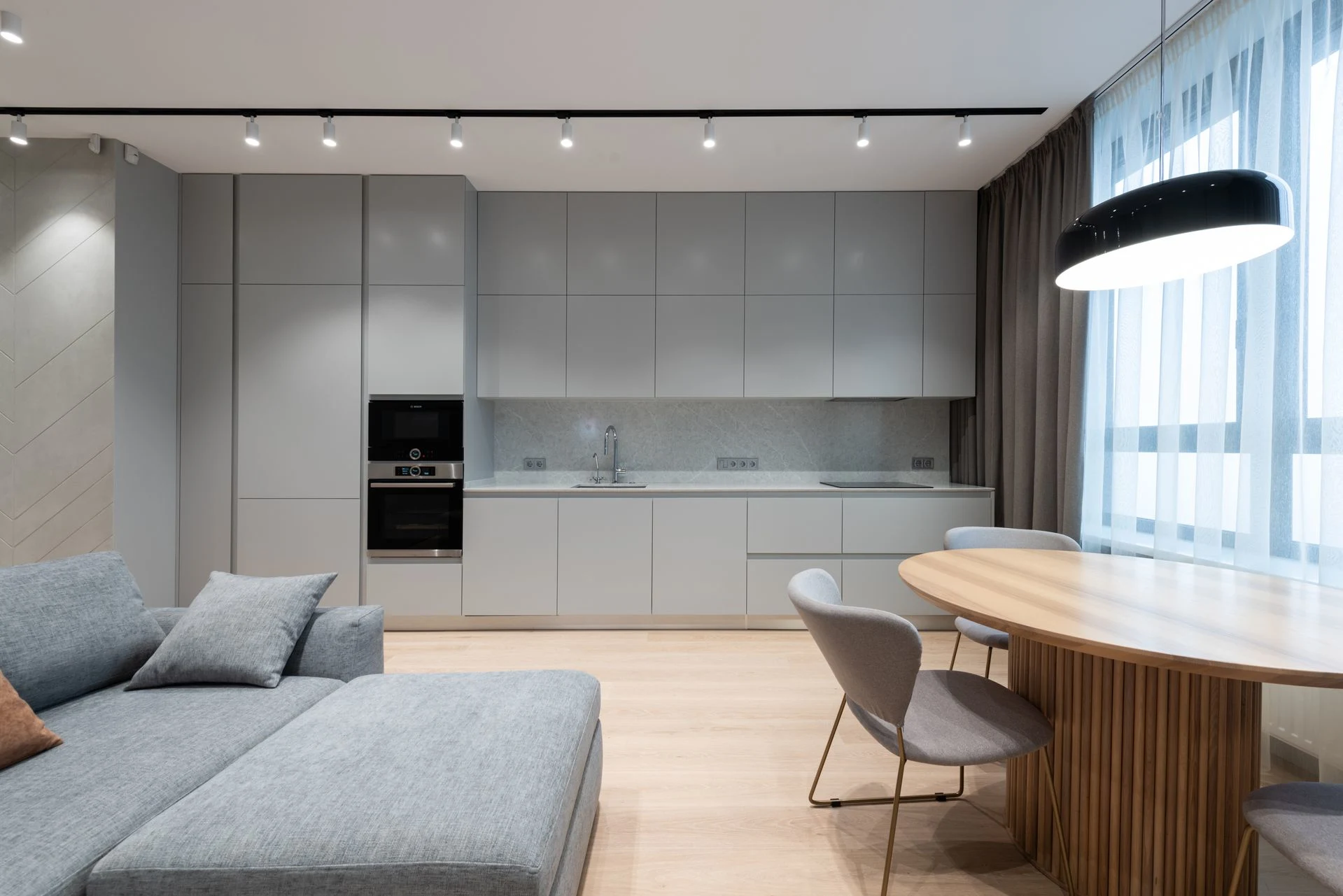
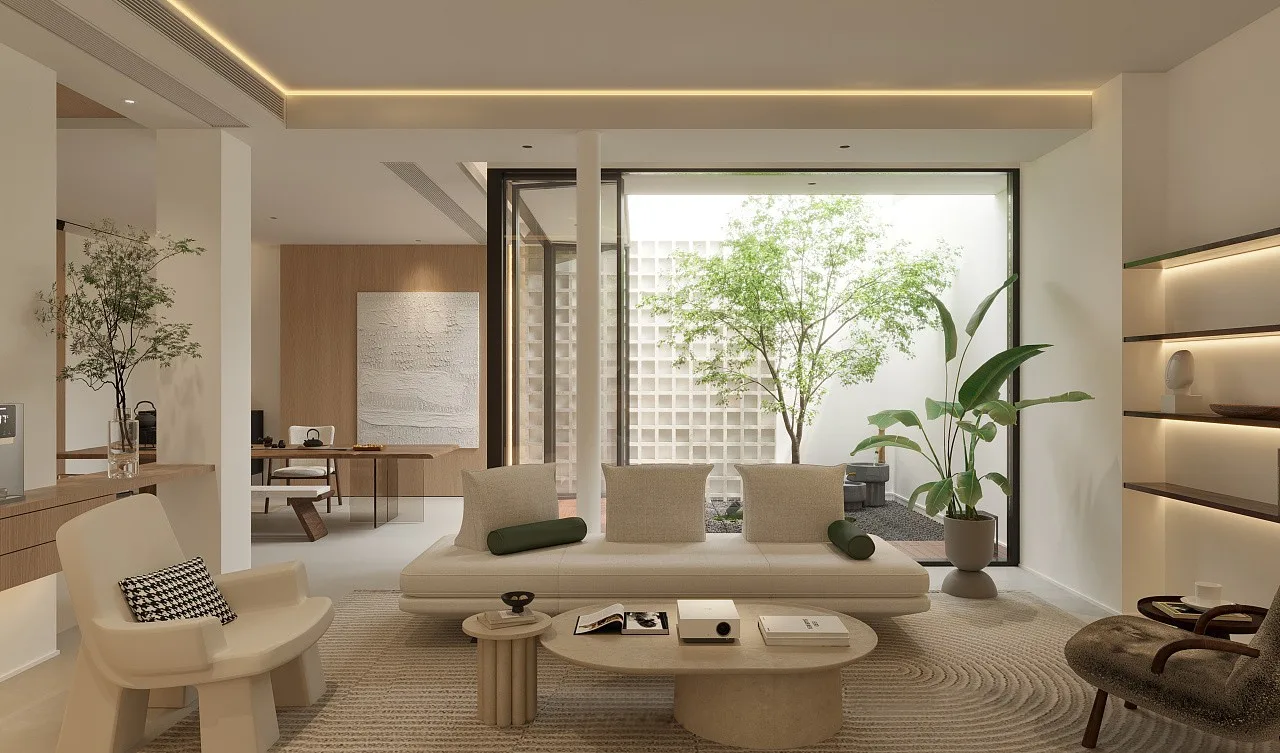
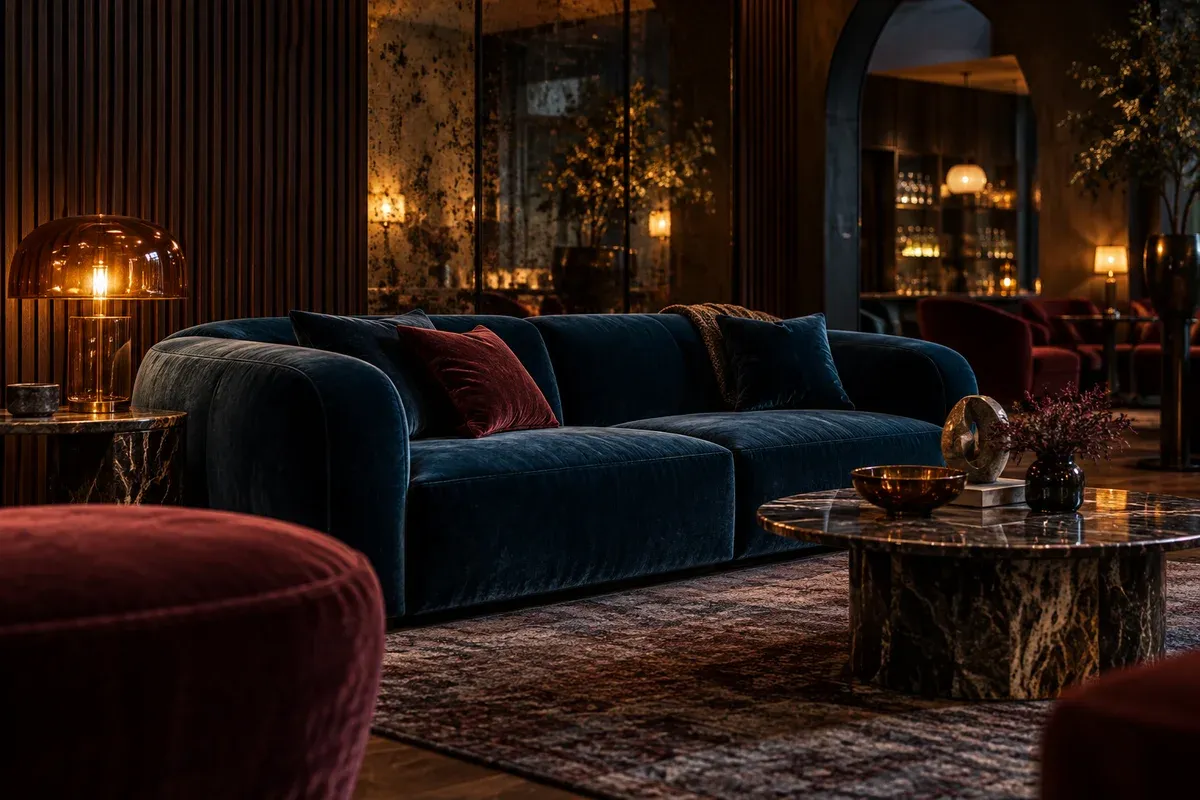
Rugs give open-plan spaces a visual boundary. The common mistake is a rug so small that every furniture piece looks disconnected.
Start with the Furniture Footprint
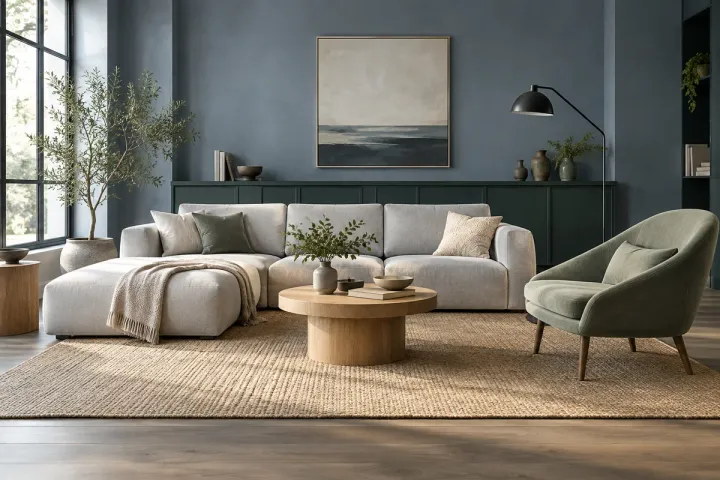
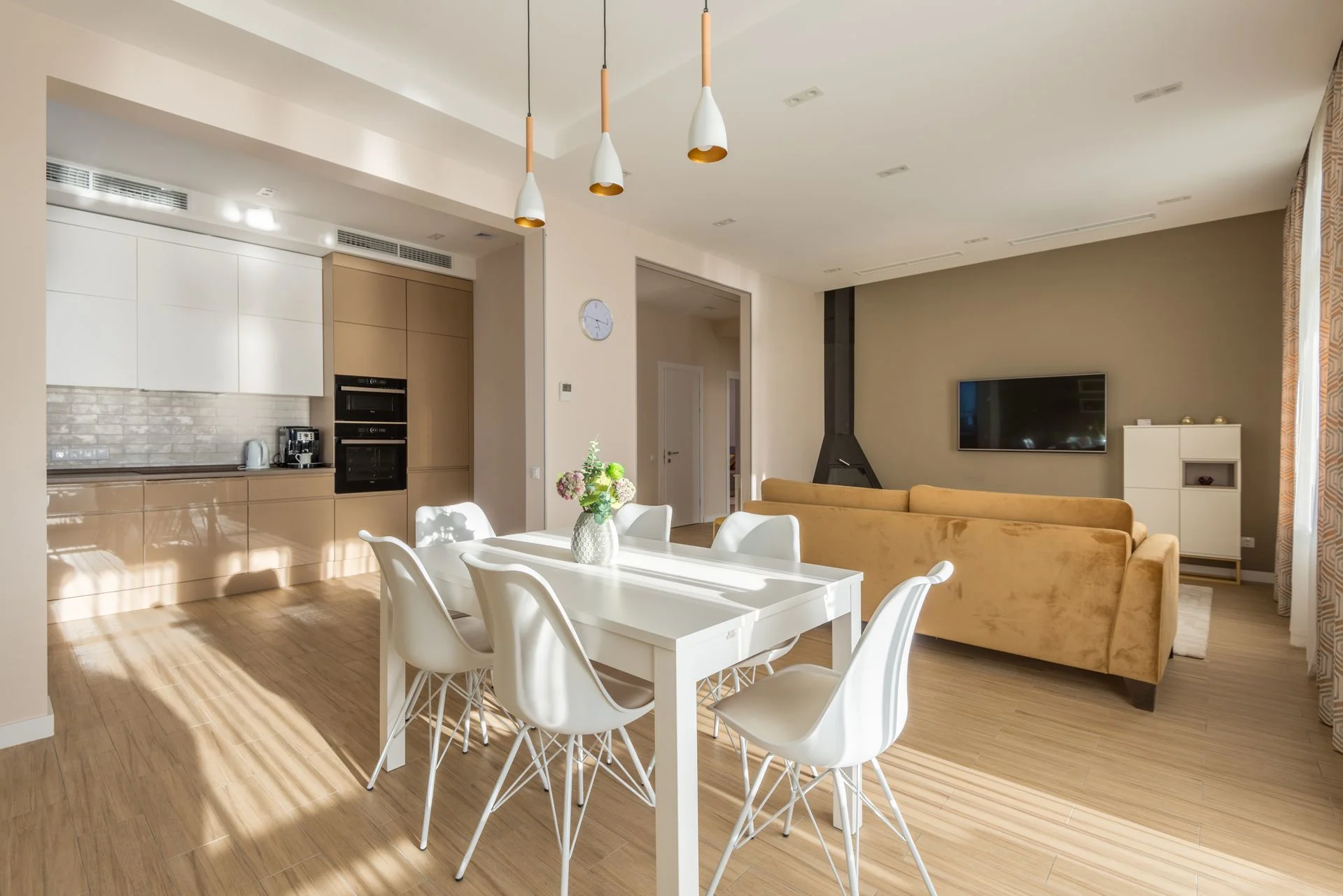
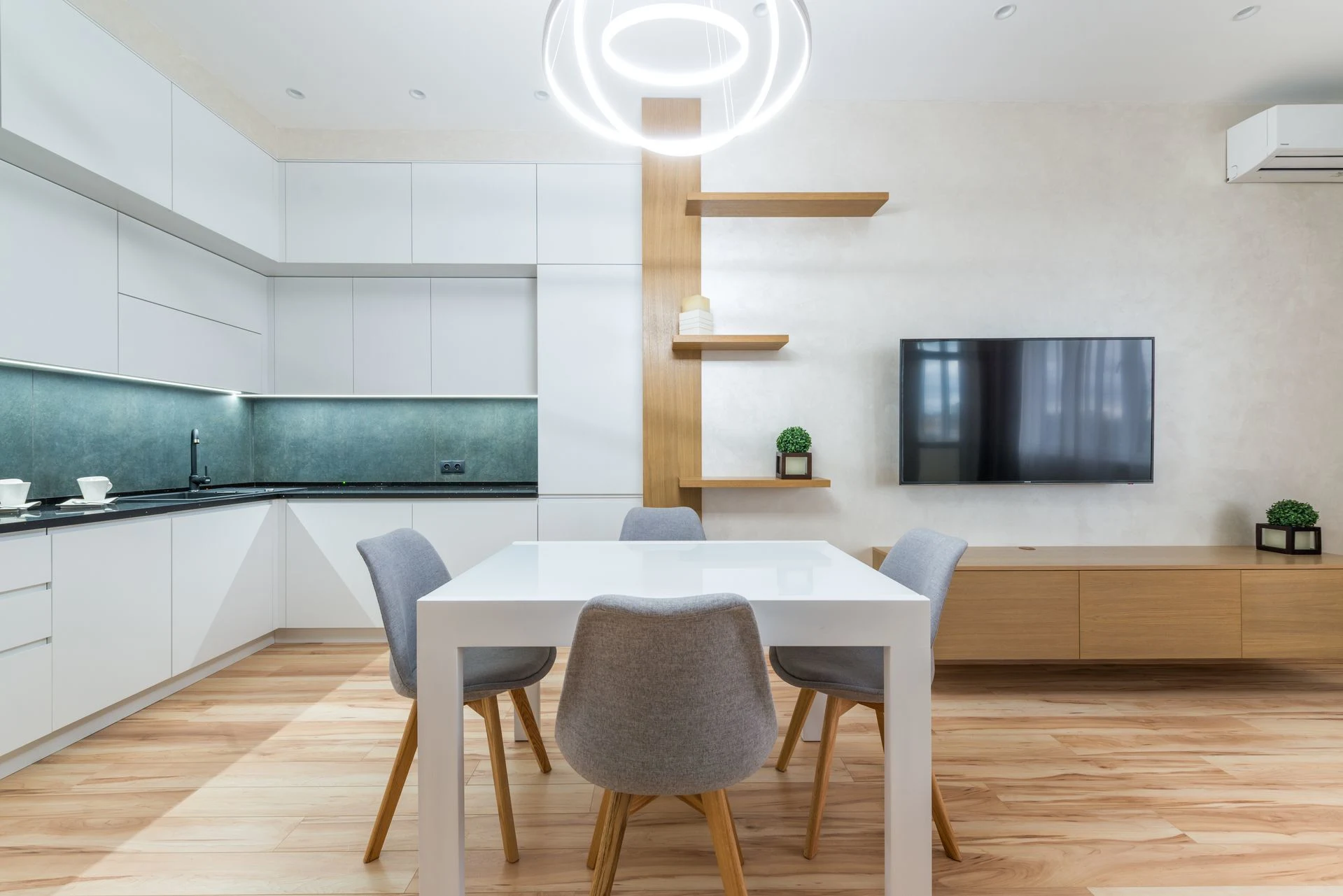
In a living room, a rug should hold at least the front legs of the sofa and chairs. Kota Wool Rug adds warmth, while Mori Textured Rug creates a quieter layer. For dining, allow extra room when chairs are pulled out.
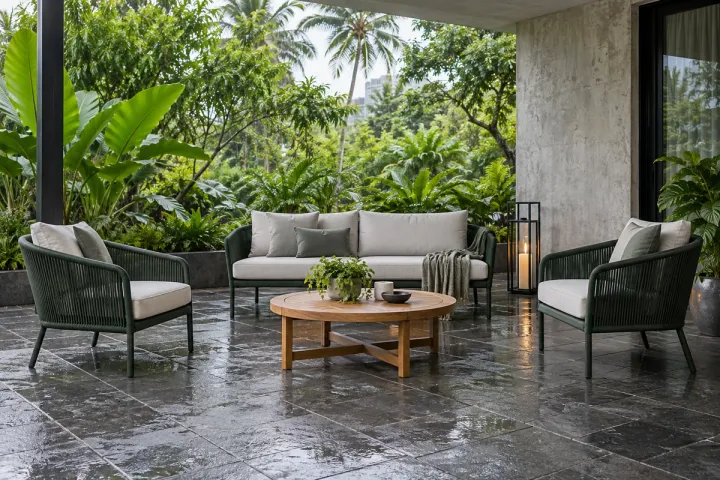
Choose a colour that supports upholstery or timber rather than competes with it. See the living-room guide and outdoor guide.
Measure the Zone, Not Just the Open Floor
Start with the furniture arrangement the rug needs to connect. In a lounge, decide whether the rug will sit under the whole seating group or only under the front legs. In a bedroom, check how it will meet the bed and leave a comfortable landing beside it. In an open-plan room, use the rug to make one activity legible without narrowing the route around it.
Mark the proposed size with tape or folded fabric. Look at it from the entrance and from each seat, then check doors, drawers, and chair movement. A rug that looks generous in an empty room may become too small once furniture is placed, while one that reaches every edge can make the whole zone feel cramped.
Match Fibre to the Activity
Material changes how a rug feels, wears, and gets cleaned. A wool rug can bring warmth and texture to a lounge, while a flatter, more practical weave may be easier beneath dining chairs. High-pile surfaces can feel comfortable underfoot but may catch chair legs, collect crumbs, or become difficult to vacuum.
Consider the people and objects using the room. Homes with children, pets, frequent meals, or heavy foot traffic need a maintenance routine that matches the fibre and pattern. A subtle variation in colour can disguise everyday use more effectively than a very pale, perfectly flat surface.
Use Colour to Connect the Composition
A rug can repeat a tone already present in upholstery, timber, artwork, or curtains. It does not need to match one item exactly. Look for a relationship in warmth, contrast, or texture so the rug supports the room rather than becoming an unrelated island.
Patterns need room to be read. In a busy seating arrangement, a quieter texture may create better balance than another strong motif. In a calm room, a restrained pattern can define the zone and add depth without competing with the furniture.
Plan for Safety and Care
Secure the rug so edges do not curl and the surface does not slide beneath moving chairs. Keep it clear of door thresholds and make sure it does not cover drainage or create a trip point between zones. Rotate or clean it according to the maker’s care guidance, especially in places where sunlight falls unevenly.
Common Rug Mistakes
- Choosing a rug from the empty floor area without including furniture footprints.
- Using a small rug that sits only under the coffee table and disconnects the seating.
- Selecting a pile that makes dining chairs difficult to move.
- Using a strong pattern when the room already has several competing focal points.
- Ignoring door swings, rug edges, and slip resistance.
- Buying a material whose cleaning needs do not suit the household’s routine.
The right rug makes furniture feel related and gives an open room a readable centre. Measure the complete arrangement, choose the fibre for the activity, and let colour support the palette already present.