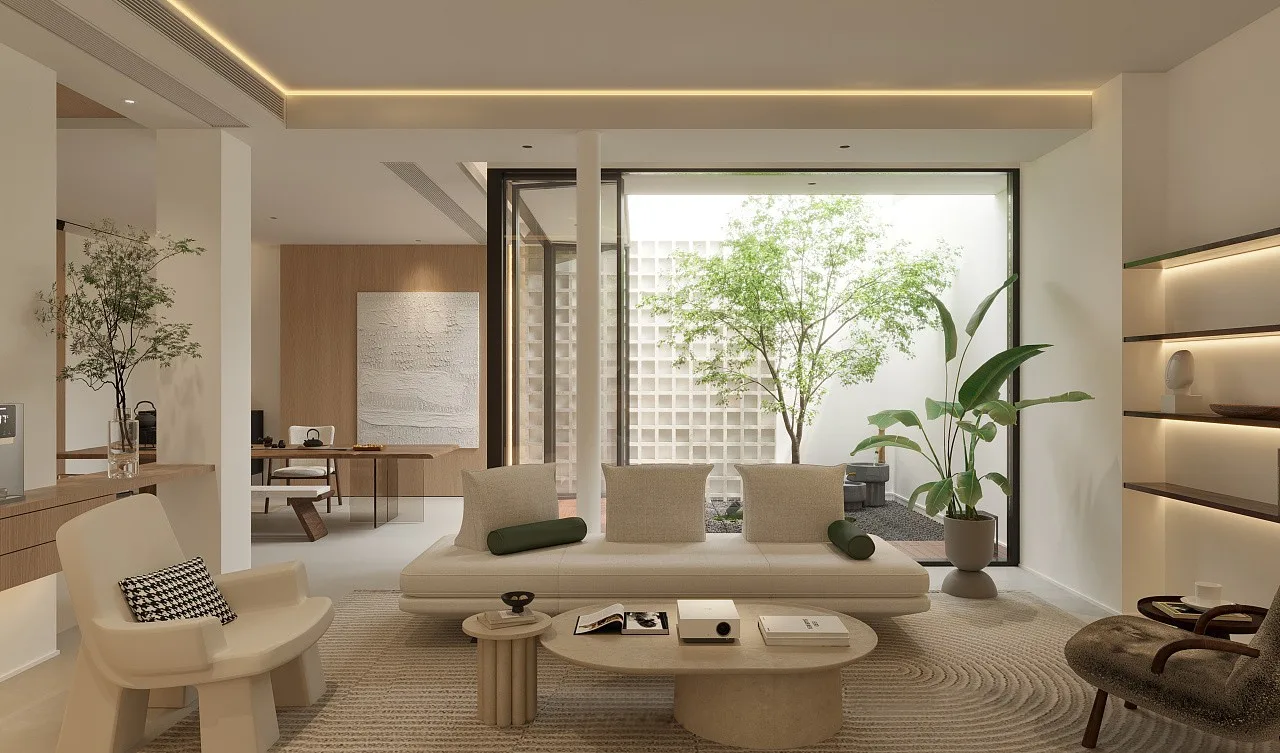
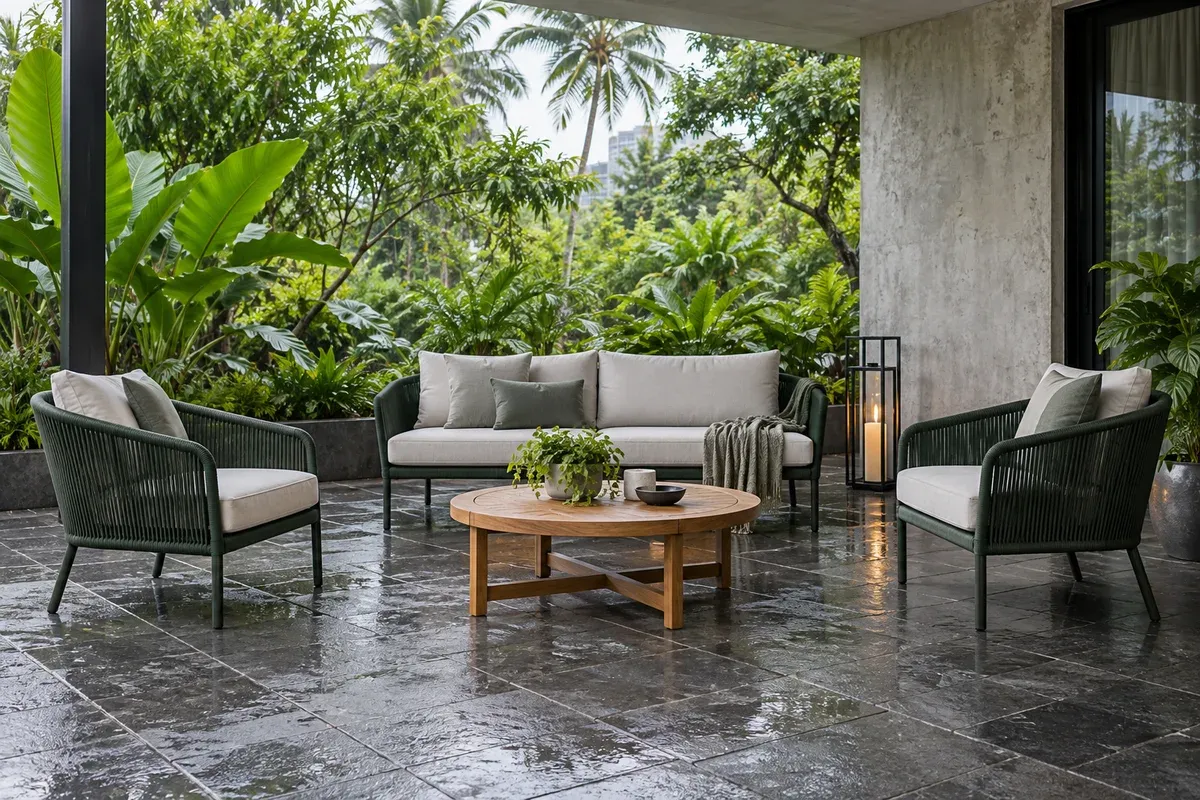
Start with the genuine site conditions: midday sun, rain, wind direction, and cleaning access. Outdoor furniture must suit exposure, not only look right.
Choose for the Main Activity
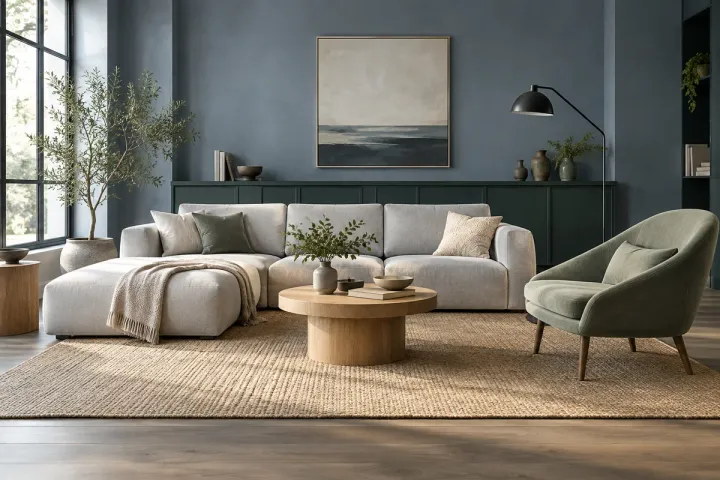
For lounging, Nara Outdoor Sofa and Cala Outdoor Lounge Chair make a conversation area. For meals, choose Terra Outdoor Dining Table with Dune Outdoor Dining Chair.
Keep the route to the house clear and select easy-care materials. The same zoning principles apply indoors; see the living-room guide and rug guide.
Read the Site Before Choosing Furniture
Observe the outdoor area at different times of day. A balcony that feels comfortable in the morning may become exposed to strong afternoon sun, while a terrace that seems sheltered may receive wind-driven rain. Note the direction of sun, rain, and prevailing wind, as well as the locations of drains, doors, plants, and power points.
Measure the usable area rather than the entire slab. Railings, steps, planting beds, and door swings reduce the space available for furniture. Mark the furniture footprint with tape and walk through it while carrying a tray or opening the house door. Outdoor comfort depends as much on access and shade as on the size of the seating.
Choose the Main Activity First
Decide whether the area is mainly for morning coffee, relaxed lounging, meals, entertaining, or a mixture. A small balcony may need one comfortable chair and a compact surface rather than a complete dining set. A larger terrace can support lounge and dining zones, but each should have a clear purpose and a route between them.
Keep the furniture arrangement open towards the best view or the house. Avoid placing a large piece where it blocks the only route inside. When the area is shared with children, pets, or gardening, preserve a practical strip for movement and storage rather than filling every edge with seating.
Treat Shade as Part of the Layout
Shade should be considered before the furniture is fixed in position. A covered area may protect upholstery and extend the usable hours of the space, while a movable umbrella or shade structure can make a sunny terrace more flexible. Test the seating at the time it will normally be used; a beautiful view is less useful when the sun is directly in the eyes.
Place tables where people can set down drinks without crossing a walkway. In a lounge arrangement, a side table may be more practical than one large central table if it keeps the route open. Keep cushions and throws easy to move so the space can be adjusted after a change in weather.
Select Materials for Exposure
Outdoor furniture needs a realistic maintenance plan. Check how materials respond to direct sun, humidity, rain, dust, and temperature changes. Easy-care surfaces are valuable when the area is used often, while more delicate finishes may need a covered position and regular protection.
Plan where cushions, covers, and cleaning supplies will go when the furniture is not in use. Storage does not need to be large, but it should be close enough that protecting the furniture is a simple routine rather than a task postponed until bad weather arrives.
Common Outdoor Planning Mistakes
- Choosing furniture from the size of the terrace without observing sun, wind, and rain.
- Blocking the house door or the clearest route through the area.
- Buying a complete set when the main activity only needs one or two pieces.
- Ignoring shade and then using the furniture only during a narrow part of the day.
- Selecting cushions or finishes without a plan for cleaning and storage.
- Filling every edge and leaving no space for plants, maintenance, or movement.
An outdoor area lasts when its design follows the site. Start with exposure and daily activity, keep access clear, and choose materials that match the maintenance the household can realistically provide.